
On an ordinary summer morning off South Bristol, Maine, Captain Steve Peaslee of the Annie L hauled another string of lobster traps from the cold waters of Muscongus Bay. Among the day's catch was something few lobstermen ever expect to see: a lobster the color of polished cobalt. Blue lobsters are estimated to occur in only one out of every two million. Most people know them only from photographs or images they've seen online. Standing inches away from one is something else entirely. Peaslee brought the lobster ashore to the South Bristol Fishermen's Co-op, a fishermen-owned seafood market on Maine's working waterfront, with one request: before returning her to the sea, he wanted people to have the chance to see her. The lobster was soon nicknamed Hannah the Blue Bug, after Co-op employee Hannah, the daughter of a local lobsterman. Hannah estimated the lobster was about 30 years old. While no one can know a lobster's exact age, a common rule of thumb is about seven years to a pound. At roughly four pounds, Hannah had likely spent decades beneath the surface. For the next two weeks, visitors streamed through the doors of the Co-op. Children stood on tiptoe to peer over the rim of the retail tank while parents lifted younger siblings for a better look. Staff members often lifted Hannah from the water so visitors could gently touch her brilliant blue shell or, for those who wished, hold her for a photograph. At night, dock manager Dan Young settled her into her own crate in the tank room, where she was fed herring and kept safe until morning. Word traveled quickly. Families added the Co-op to their vacation itineraries. Grandparents returned with grandchildren. Neighbors came back with visiting friends who “had to see the blue lobster.” The questions rarely stopped. “Why is she blue?” “Will she always stay blue?” “Can you keep her?” One young boy finally asked what everyone else had been wondering. “Are you going to cook her?” “No,” a staff member told him. “Captain Steve is taking her home.” Before she returned to the sea, though, something unexpected happened. Curiosity about one rare lobster became curiosity about Maine's lobster fishery itself. Visitors who arrived hoping to glimpse an unusual animal soon found themselves learning why egg-bearing females are protected, why undersized lobsters are returned to the sea, and why fishermen cut small V-shaped notches into the tails of breeding females before releasing them. Many had never heard of the practice. For Maine lobstermen, it is simply part of the job. Before returning Hannah to the water, Peaslee carefully cut a small V-shaped notch into her tail. If another lobsterman catches her in the future, that notch will identify her as a protected breeding female, and she'll be released again. The same conservation ethic that protected one remarkable blue lobster protects countless ordinary ones every season. On Hannah's final day at the Co-op, one family stopped to meet her before she went home. As Dan lifted her onto a nearby table, their young daughter reached out to touch her brilliant blue shell. Without warning, Hannah curled her powerful tail beneath her body and sprang forward, startling the little girl—and then her parents—into laughter. The children, it turned out, weren't the only ones looking at Hannah with wonder. The adults were too. Two weeks after bringing her ashore, Peaslee carried Hannah back to the same waters where she'd been caught. She slipped beneath the surface and disappeared. The conversations she inspired remained. For two remarkable weeks, one extraordinarily rare lobster became something much larger than a curiosity. She became an ambassador—not only for Maine's lobster fishery— but for the fishermen whose quiet stewardship has helped sustain it for generations.
Frank Alvarez had worked nights in the Halloran Building for eleven years, since before it was the Halloran Building, back when the name on the lobby wall was still Petrakis Group. Nobody remembered that name now except him. He came in at eleven, when the last stragglers were peeling out of the parking garage, and he left at seven, when the coffee machine in the lobby started grinding its first pot. In between, he saw the building the way nobody else did; the version that existed when nobody was performing for anybody. The executive on nine who cried at her desk on Thursdays, always Thursdays, always for exactly as long as it took him to do the floor. The intern who ate a cold sandwich alone in the stairwell because the break room felt worse. The security guard, Desmond, who read paperbacks with the covers torn off so nobody would ask him about them. Frank didn't pry. Prying wasn't his job. But he left things. He fixed a lamp. He wiped down a keyboard that had coffee dried into the keys. Small repairs nobody asked for and mostly nobody noticed. Mostly. There was a woman on the fourteenth floor, Maya, said the nameplate, who'd started staying past midnight. Untouched coffee. A wedding ring she took off and put back on, off and on, like she was rehearsing a decision. He left her a flower once, from the bodega on the corner, in the empty vase she kept on her desk for no reason he could see. She never mentioned it. He didn't know if she'd noticed or thrown it out with the rest of the trash. He left a note another night—Don't forget to eat. The job will still be here tomorrow—and the next week HR sent an all-staff email about unauthorized items left on desks, and for a month he didn't leave anything on fourteen at all. Some things you did weren't received the way you meant them. He'd learned that a long time ago and it hadn't gotten easier to remember. The contract ended in March. Building was changing management, changing cleaning companies, changing everything down to the soap in the dispensers. Frank's last night was a Tuesday. Nobody announced it. Nobody was supposed to know. He was almost through with the ninth floor when he found the ninth-floor conference room open, lights on, a cake on the table that said, in shaky icing, THANK YOU FRANK with his name slightly too big for the space they'd left for it. Desmond was there. So was the woman who cried on Thursdays, looking startled to be somewhere with her makeup still on. A few others he half-recognized, faces attached to desks, not to conversations. It was Desmond who'd organized it, it turned out. He'd asked the new building manager for Frank's schedule, put a sign-up sheet in the break room that maybe fifteen people saw. It wasn't a production. Half the building didn't know it was happening. The cake was from the grocery store two blocks down, not even a real bakery, and someone had clearly written the message in a hurry. "I heard you're the one who fixed my chair," the crying woman said. "The wheel that used to stick." Frank hadn't touched her chair. That had been someone from the day crew, probably, or maybe it had just worn in over time. He didn't correct her. It didn't seem worth it, and some part of him understood that she needed the story more than she needed the fact. Desmond clapped him on the shoulder. "You always thought you were cleaning this building," he said, like he'd practiced it. "But..." "I was cleaning the building, Des," Frank said. "That was the job." Nobody laughed, exactly, but something in the room loosened, like he'd given them permission not to make it into more than it was. Maya wasn't there. He noticed that, the way he noticed everything. Maybe she had a meeting. Maybe she'd never known there was anything to come to. He never found out if she'd kept the flower or thrown it away, and some part of him decided he preferred not knowing. A mystery was better company than a disappointment. He ate a piece of cake standing up, the way he'd eaten most things in this building for eleven years. Then he finished the floor, because the floor didn't know it was his last night either, and it deserved to be done right regardless. At seven, he walked out past the coffee machine just starting to grind, into a sunrise he usually missed by an hour. He didn't feel discovered, exactly. He felt like a man who'd been part of a room nobody quite remembered accurately, which was, he thought, probably the truth of most rooms. He didn't have another shift to start. He stood there a minute, working out what that was supposed to feel like.
Speed and efficiency Staffing agencies significantly reduce time-to-hire, allowing operations to continue without disruption. Cost savings Outsourcing recruitment reduces costs related to: Job postings Screening Training HR administration Access to skilled labor Staffing providers specialize in sourcing qualified workers, ensuring better job fit. Compliance and risk management Labor laws and safety regulations are handled professionally, reducing legal risks. Learn more: https://toplissolutions.com/whatsnew/blogs/logistics-staffing-solutions/
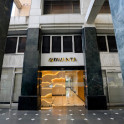
Introduction The modern business world is rapidly shifting toward flexible and collaborative work environments. Startups, freelancers, remote teams, and even established companies are moving away from traditional office setups and embracing coworking culture. One location that has emerged as a leading destination for flexible workspaces in Delhi NCR is Nehru Place. Explore: https://www.avanta.co.in/coworking-space/nehru-place-delhi Known as one of India's largest commercial and IT hubs, Nehru Place has become a preferred location for businesses seeking affordable and well-connected office solutions. The demand for a Shared Office Space in Nehru Place has increased significantly due to its strategic location, strong business ecosystem, and cost-effective workspace options. Whether you are launching a startup, expanding a team, or looking for a productive professional environment, Nehru Place offers everything a modern business needs. From premium coworking infrastructure to excellent metro connectivity and networking opportunities, the area has transformed into a thriving center for shared office culture. In this article, we'll explore why a Coworking Space in Nehru Place is gaining popularity, the key benefits businesses can expect, how it compares with other commercial hubs like Connaught Place, and what makes it ideal for modern professionals. Understanding Shared Office Spaces A shared office space is a flexible workplace where multiple individuals or companies work together while sharing office infrastructure and amenities. Unlike traditional office setups, coworking spaces provide: Ready-to-use workstations High-speed internet Meeting rooms Reception services Cafeteria access Housekeeping and maintenance Businesses can avoid the high operational costs of leasing and managing a conventional office. Why Nehru Place is a Prime Commercial Hub Strong Business Ecosystem Nehru Place is one of Delhi's most recognized commercial areas. It is especially known for: IT businesses Tech startups Software companies Freelancers Consultants Service-based businesses The area attracts professionals from diverse industries, creating a dynamic and collaborative work environment. Excellent Connectivity One major reason businesses prefer a Shared Office Space in Nehru Place is connectivity. Metro Access Nehru Place is connected through: Nehru Place Metro Station Kalkaji Mandir Metro Station Govind Puri Metro Station This makes commuting easier for employees and clients traveling from: Noida Gurgaon South Delhi Faridabad Ghaziabad Easy transportation improves convenience and saves commuting time Why Shared Office Spaces are Growing in Nehru Place Affordable Office Solutions Renting a traditional office in Delhi can be expensive, especially for startups and small businesses. Shared office spaces offer a cost-effective alternative. Included Facilities Most coworking spaces include: Internet and Wi-Fi Electricity bills Office furniture Maintenance Security services Meeting rooms This significantly reduces operational expenses for businesses. Flexible Workspaces for Modern Businesses Modern companies need flexibility. A Coworking Space in Nehru Place offers multiple workspace options based on business requirements. Flexible Options Include: Hot desks Dedicated desks Private cabins Conference rooms Virtual offices Businesses can easily expand or reduce workspace requirements without long-term commitments. Ideal Environment for Startups Startups often require affordable infrastructure and collaborative environments. Shared office spaces provide both. Benefits for Startups Lower setup costs Networking opportunities Professional business address Access to meeting rooms Scalability for growth A startup can establish a professional presence without investing heavily in office infrastructure. Networking Opportunities in Coworking Spaces A major advantage of coworking culture is community interaction. Professionals working in the same environment can: Exchange ideas Collaborate on projects Generate referrals Build partnerships Many coworking spaces also organize: Networking events Workshops Business seminars Skill-development sessions This helps businesses grow beyond just having a workspace. Modern Infrastructure and Amenities A premium Shared Office Space in Nehru Place offers modern infrastructure designed for productivity and comfort. Common Amenities Include: Ergonomic seating High-speed internet Air-conditioned interiors Cafeteria and pantry Reception services Printing and scanning Security systems These facilities create a professional and productive work environment. Nehru Place offers the perfect balance of accessibility, modern amenities, networking opportunities, and scalability, making it one of the best coworking destinations in Delhi NCR.
Filipino professionals are among the most in-demand workers in the global service industry. Here's why: Strong English communication skills High adaptability in multicultural environments Natural customer service orientation Proven track record across industries The Philippine government, through the Department of Migrant Workers (MWO), monitors all deployments following strict standards. This gives employers confidence in both quality and compliance. Learn more: https://greatwaysmanpower.com/ofw-news/blogs/service-industry-offerings/
Source premium Denver Hardwood Flooring Supply at QuarterSawn Reclaimed Wood. Our Denver Hardwood Flooring Supply offers reclaimed hardwoods like maple and oak, ideal for durable, eco-friendly floors. Milled for precision, these materials suit Denver's diverse designs. Work with our team to select sustainable, high-quality flooring that adds warmth and history to your project. For more information please visit: https://quartersawnreclaimedwood.com/flooring-obs/
Workplace injuries can disrupt not only your job but your entire future, making it crucial to have reliable legal guidance. We at Accident Defenders are committed to helping injured employees secure the justice they deserve. Our work injury attorney in Los Angeles services are tailored to handle everything from workers' compensation claims to complex third-party cases. We take a proactive approach, gathering evidence, handling negotiations, and advocating strongly on your behalf. Every case we manage is approached with dedication and attention to detail, ensuring your losses are fully recognized. Our goal is to ease your burden while maximizing your compensation, so you can focus on recovery and stability. Visit: https://accidentdefenders.com/los-angeles-workplace-injury-accident-lawyers/
Start with Language Training The earlier you prepare for JLPT or NAT-TEST, the higher your chances of passing on the first try. Choose the Right Sector Focus on SSW in-demand sectors where your skills match. Prepare All Documents Early Have all your documents prepared to avoid delays during your application caused by missing paperwork Understand Your Contract Know your salary, working hours, and benefits before signing. Work with Sending Organizations An accredited sending organization like Great Ways Manpower International Inc can guide you through the process of your application and help you find a legitimate employer in Japan. The Specified Skilled Worker Program (SSW) is a Japanese work visa launched in 2019 to address labor shortages in different industries in Japan with high demand for manpower. It lets qualified foreign workers work in Japan for a fixed period, with some visa types offering a path to long-term residency. Learn more: https://greatwaysmanpower.com/ofw-news/ofw-helpful-guides/specified-skilled-workers-program-guide/
Remote work has transformed how professionals operate, offering flexibility, reduced commuting, and improved work-life balance—at least on paper. But as the trend matures, many professionals and businesses are beginning to ask a critical question: what are the disadvantages of working from home? While the idea of working in pajamas and avoiding traffic sounds appealing, the reality often reveals hidden costs—both personal and professional. From reduced productivity to isolation and blurred boundaries, working from home is not always the ideal solution it's made out to be. In this article, we'll explore the real disadvantages of working from home, backed by insights, examples, and practical alternatives like using a virtual office in Delhi, serviced office, or coworking space to strike a better balance. The Reality Behind Remote Work Let's break down the major disadvantages. 1. Lack of Work-Life Boundaries The Problem One of the biggest challenges of working from home is the blurring of personal and professional life. Without a physical separation between office and home, employees often struggle to “switch off.” Work spills into personal time Longer working hours become the norm Increased burnout risk Real Impact Many professionals report working 2–4 extra hours daily without realizing it. Over time, this leads to stress, fatigue, and decreased productivity. Better Alternative Using a virtual office in Delhi allows you to maintain a professional identity while keeping your home life separate. Pair it with occasional use of a serviced office or coworking space for structured workdays. Read Here: https://www.avanta.co.in/virtual-office-delhi 2. Reduced Productivity and Focus The Problem Home environments are not designed for focused work. Common distractions include: Family members Household chores Noise and interruptions Social media Why It Matters Even minor distractions can reduce productivity significantly. Studies show that it can take up to 23 minutes to regain focus after an interruption. Solution A coworking space or business centre provides a distraction-free environment with: Dedicated workstations Professional ambiance High-speed internet 3. Social Isolation and Loneliness The Problem Humans are social beings. Working from home limits: Face-to-face interaction Team bonding Casual conversations Consequences Increased feelings of isolation Lower morale Reduced collaboration Example A remote employee working alone for months may feel disconnected from the company culture, leading to disengagement. Alternative Occasional use of a serviced office or shared coworking space can restore social interaction and improve mental well-being. Read Here: https://www.avanta.co.in/coworking-space-in-delhi Case Study: Startup Growth Challenge Scenario A Delhi-based startup began fully remote to save costs. Challenges Faced Poor team coordination Missed deadlines Client trust issues Solution Implemented They adopted a hybrid model: Registered a virtual office in Delhi Used a serviced office twice a week Booked a training room for team meetings Results 30% increase in productivity Improved client confidence Better team morale Pros vs Cons of Working from Home Pros Flexibility No commute Comfort Cons Isolation Distractions Poor work-life balance Limited growth Communication gaps 👉 Clearly, while remote work has advantages, the disadvantages are significant—especially long-term. FAQs 1. Is working from home less productive? It depends, but many studies suggest productivity drops due to distractions and lack of structure. 2. How can I overcome isolation while working remotely? Consider joining a coworking space or working occasionally from a serviced office. 3. What is a virtual office in Delhi? A virtual office in Delhi provides a professional business address, mail handling, and access to meeting spaces without a full-time office. 4. Are serviced offices better than working from home? Yes, they offer: Professional environment Networking opportunities Better infrastructure Read Here: https://www.avanta.co.in/training-rooms Conclusion Working from home is not inherently bad—but it's not the perfect solution either. The disadvantages—ranging from reduced productivity and isolation to limited growth and security concerns—can significantly impact both individuals and businesses. The smarter approach is not to abandon remote work entirely but to enhance it with flexible workspace solutions like: Virtual office in Delhi for professional presence Serviced office for structured workdays Coworking space for collaboration Training room for team meetings This hybrid model ensures you enjoy flexibility without sacrificing productivity or growth.
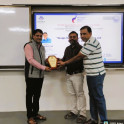
SSGMCE alumnus Shreekant Patil's workshop on design thinking inspires 100+ students; offers incubation support to alma mater. Shri Sant Gajanan Maharaj College of Engineering (SSGMCE) Shegaon hosted a full-day workshop on "Design Thinking, Critical Thinking, and Innovation Design" on February 6, 2026, from 11:00 AM to 4:00 PM. Organized by the Institution's Innovation Council (IIC) in association with the Institution of Engineers (India) Student's Chapter and Department of Electrical Engineering, the event featured SSGMCE alumnus C.Eng. Shreekant Patil as keynote speaker. Over 100 students attended, gaining practical tools to fuel innovation and entrepreneurship. Shreekant Patil, Founder & CEO of Paramount Enterprises Nashik, shared real-world examples from the startup ecosystem, his inspiring journey from a small town through SSGMCE education to building a renowned international company, earning awards, and holding national/international positions in chambers, councils, and Government of India initiatives. He was felicitated by Prof. Mr. U.A. Jawadekar, Associate Professor, Electrical Engineering Department. The workshop, coordinated by Dr. R.S. Kankale, Dr. P.A. Dalke (IIC Convener), Dr. S.S. Jadhao (IIC President), and Dr. S.R. Paraskar, concluded with a vote of thanks. Post-event, CEng. Shreekant Patil met Principal Dr. S.B. Somani and the management team, discussing support for establishing an incubation center, skill center, and fostering entrepreneurs in Shegaon and nearby areas via government schemes and grants. About Shreekant Patil: CEng. Shreekant Patil, an SSGMCE alumnus, is Founder & CEO of Paramount Enterprises Nashik, Startup India Mentor, and Committee Chairman at NIMA Startup Hub. He guides innovators through real-world expertise in design thinking, startups, and government initiatives, holding key national/international roles.
Despite being one of the biggest manufacturing countries, the continuous loss of skilled workers might affect their production sooner rather than later. Here at Greatways, we provide Japanese business with highly skilled Filipino workers to support their day-to-day operations. Learn more on how we can help here: https://greatwaysmanpower.com/jp/
When writing a strong CDR for a Telecommunications Network Engineer, highlight your skills in network architecture, protocols, and hardware integration. Describe three separate Career Episodes that show your problem-solving abilities and innovation, making sure they match Engineers Australia's EA Stage 1 Competency Standards. At AustraliaCDRHelp.com, we make the migration process easier for Telecommunications Network Engineers. Web: https://australiacdrhelp.com/telecom-network/
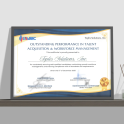
Awarded on the 5th of December 2025, Brenton International Venture Manufacturing Corp. (BIVMC) presents an Outstanding Performance Award to Toplis Solutions Inc. for their superb role in talent acquisition and workforce management. Brenton International Venture Manufacturing Corp. (BIVMC), known for Brent Gas, expresses its appreciation for the service of Toplis Solutions, Inc. in their recently concluded awarding ceremony for its partners. This Outstanding Performance Award was given due to Toplis' consistency in sourcing well-qualified candidates, maintaining smooth workforce management, and ensuring compliance with all standards and requirements set by the company. Learn more: https://toplissolutions.com/whatsnew/awards-and-recognitions/toplis-earns-outstanding-performance-award/
Enterprise AI is moving beyond automation and this shift is redefining how platforms actually operate. This article explores how agentic AI enables autonomous, goal-driven AI agents to work across ERP, CRM, finance, and operations systems. Instead of reacting to inputs, these agents reason, plan, and act within enterprise constraints. From real-world workflows to governance, trust, and scalability, the piece breaks down what organizations must consider when adopting agentic systems and why Agentic AI consulting is becoming essential for aligning autonomy with business strategy. A thoughtful read for leaders, architects, and decision-makers navigating the next phase of enterprise AI. Read here: https://medium.com/@devikay/how-agentic-ai-is-transforming-enterprise-platforms-through-custom-ai-agents-6730112a4c9f
Aging Population Requiring Primary Care As previously mentioned in the earliest part of this blog, Australia's population drives up the demand for healthcare services. In 2024, the Australian Institute of Health and Welfare (AIHW) reported that there were over 2 million people aged 60 and above. With the aging population continuing to rise, this number is expected to grow even more by 2030. Burnout Among Healthcare Workers The pandemic revealed and worsened the stress faced by health care professionals. Long hours, emotional strain, and lack of support have caused high burnout rates, pushing many workers to leave the field. Training Gaps Limited slots in medical professional development and nursing schools, combined with long qualification periods, slow down the progress in the healthcare industry. A study conducted by the World Health Organization (WHO) emphasizes the need to scale up and strengthen the quality of health workforce education and training to address the global gap for health workers. Rural Shortages Shortages are worse in rural and remote areas, where fewer healthcare workers are willing to work. Limited resources, professional isolation, and fewer career growth opportunities make these regions harder to staff. Immigration Hurdles Australia has long relied on skilled migration to fill healthcare gaps. But recent immigration policy changes, along with global competition for medical workers, have weakened this approach. Learn more: https://greatwaysmanpower.com/ofw-news/ofw-helpful-guides/overseas-jobs-for-filipino-nurses-in-oceania/